
5 Reasons Every Homeschooler Should Visit the Statue of Liberty and Ellis Island

The Statue of Liberty National Monument isn’t just a towering green giant—it’s a powerful symbol of freedom, hope, and the immigrant story of America. A gift from France in 1886, this national monument invites students to stand where millions once arrived in search of a better life. When visitors arrived to America via a ship, the Statue of Liberty is the first landmark that they will see. Visiting Lady Liberty is more than a field trip—it’s a walk into the heart of American ideals and big dreams.
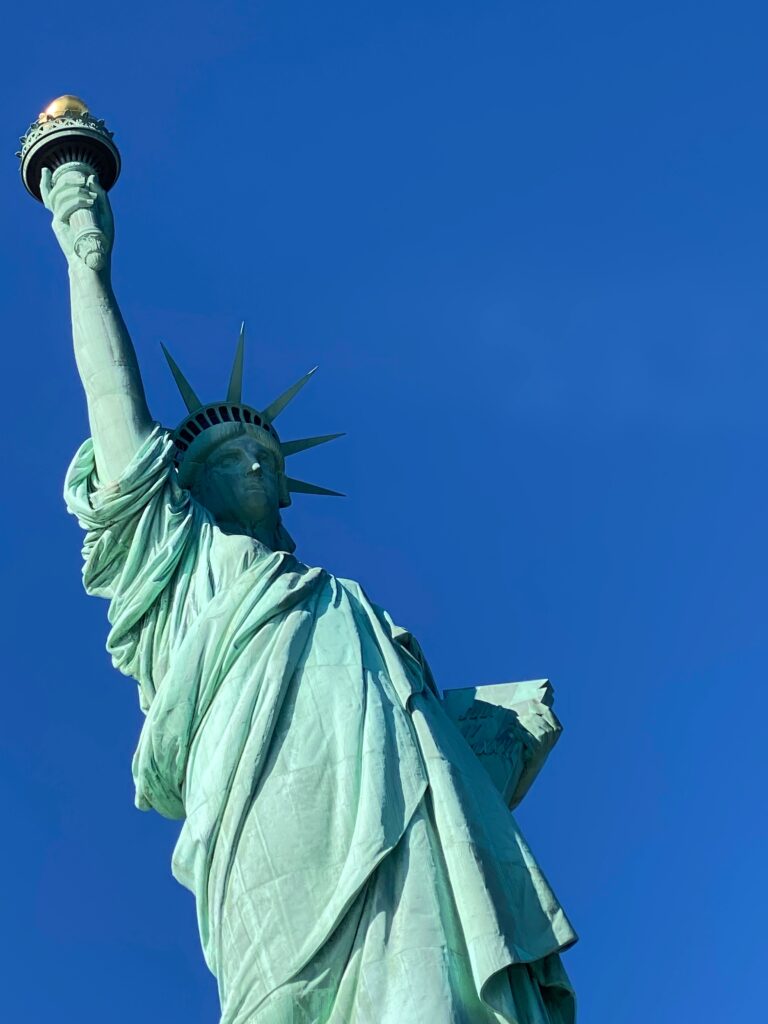
Here are five compelling reasons every homeschooler should visit the Statue of Liberty:
1. History Comes Alive
Standing at the base of the Statue of Liberty or walking through the halls of Ellis Island makes American history tangible. You don’t just learn about immigration and freedom—you feel it and become a part of it. For homeschoolers, especially visual and experiential learners, this homeschool field trip turns abstract concepts into live lessons.
2. Blends Multiple Subjects in One Trip
This isn’t just a history lesson. It’s:
- Language Arts
- Study Emma Lazarus’ poem The New Colossus
- Perfect opportunity to create a written or video journal
- Find non-fiction novels about the immigration through Ellis Island and Statue of Liberty (see Bonus Challenge for Students below)
- Art and Design
- Explore the statue’s engineering and symbolism
- Explore the architecture of colossal sculptures.
- Geography
- Understand the strategic location of the harbor
- Look at a map satellite view and see how the islands are located in the Hudson River
- What are the bridges that can be seen in between the islands
- Civics and History
- U.S. history from 1865 to the early 1900s
- Learn about immigration laws and American ideals
- Find the meaning behind national symbols and monuments.
- The immigration journey through Ellis Island.
- Themes of liberty, justice, and inclusion
- How the Liberty lower pedestal was used as a fort to protect New York.
It’s a multidisciplinary masterclass, all packed into one meaningful trip.
3. Connects Personal Identity with National Heritage
Many students discover that their own family story intersects with the immigrant experience. A visit to Ellis Island encourages tweens and teens to ask questions:
- Where did my family come from?
- Why did they come?
- What values did they carry?
It’s a powerful exercise in personal storytelling, genealogy, and self-reflection—all through the lens of American heritage.
4. Create a Shared Memory that Fuels Learning
Learning is more than worksheets—it’s memories, meaning, and movement. A family field trip like this reconnects students with the “why” behind learning. It energizes homeschoolers, gives context to their studies, and makes for some pretty inspiring dinner table conversations.
5. Inspires Civic Awareness and Purpose
The Statue of Liberty isn’t just a monument—it’s a symbol of democracy, hope, and opportunity. Visiting sparks important conversations about freedom, inclusion, and the role young people can play in shaping the future.
This is an ideal moment to nurture purpose-driven learning—helping students reflect on the privilege and responsibility of freedom in education, expression, and daily choices.
Bonus Challenge for Students: Find the Ellis Island: Three Novels by Joan Lowery Nixon and create a learning story about your learning trip while keeping the three inspiring stories in your mind.